
NBA First Quarter Betting: Micro-Market Strategies for UK Bettors
 Available in US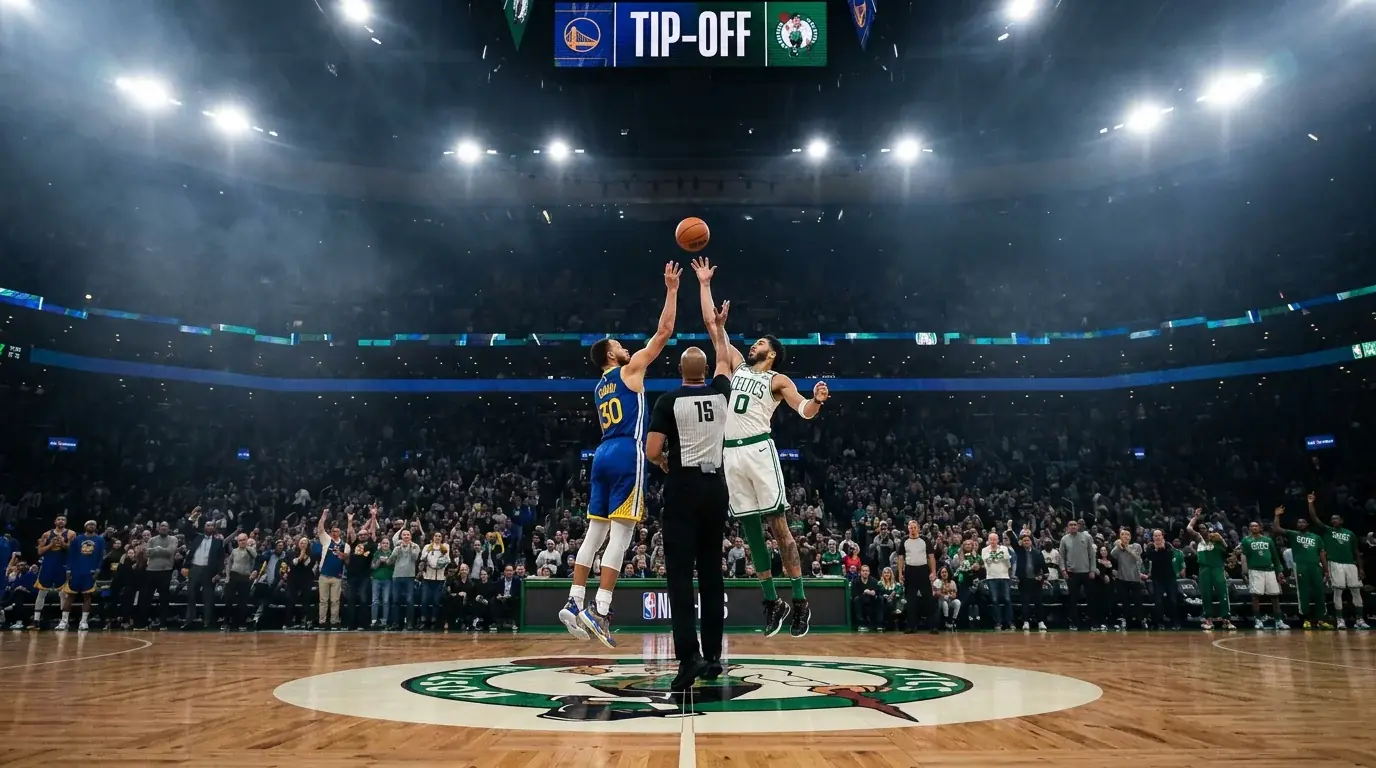
Two seasons ago, I started tracking first quarter results separately from full-game outcomes, mostly out of curiosity. What I discovered surprised me: certain teams showed first quarter patterns so consistent that they’d been hiding profitable bets in plain sight. One contending team routinely started slowly before dominating later quarters; another habitually built early leads before coasting. Full-game betting missed these patterns entirely because they washed out over 48 minutes.
First quarter betting represents a distinct market with its own dynamics. Starters typically play heavy minutes, defensive intensity tends toward extremes (either maximum focus or early-game looseness), and game flow hasn’t yet been disrupted by coaching adjustments or foul trouble. These factors create predictable patterns that the market doesn’t always price correctly.
For UK bettors, first quarter markets offer a specific advantage: you can place your bet, watch 12 minutes of basketball, and know the outcome before midnight. Full-game NBA betting means staying up until 3 AM or later for late-tip games; first quarter betting provides faster resolution with a defined endpoint that suits European time zones.
This guide examines why first quarters behave differently from full games, where consistent patterns emerge in first quarter spreads and totals, and how to identify team-specific tendencies that create betting opportunities in these micro markets.
Why First Quarters Play Differently
The first quarter of an NBA game features conditions that don’t persist throughout the contest. Both teams start with their preferred lineups, typically featuring all five starters. Rotation players and bench units that affect later quarters haven’t yet entered. This means first quarter outcomes reflect starting lineup quality more purely than full-game results, which incorporate bench contributions and adjustment capacity.
Defensive intensity patterns vary by team philosophy. Some coaches demand maximum defensive effort from the opening tip, treating early stops as tone-setters for the game. Others allow their defence to ease into the contest, accepting early opponent baskets in exchange for preserved energy for later quarters. These philosophical differences create systematic variations in first quarter scoring that persist across games.
Offensive rhythm takes time to develop. Teams running complex motion offences often start slowly as players find their spacing and timing. Teams relying on isolation scoring from their stars typically start faster because they don’t need multiple possessions to establish flow. The gap between these approaches shows up clearly in first quarter totals – teams with complex offences tend toward first quarter unders while ISO-heavy teams push overs.
Foul trouble doesn’t exist in the first quarter the way it affects later periods. A starter picking up two fouls in the first quarter might sit briefly, but the full impact of foul management – reduced aggression, minutes restrictions, altered rotations – doesn’t materialise until later. This means first quarter play tends toward more physical, more aggressive basketball than second and third quarter play where foul counts constrain star players.
Coaching adjustments haven’t happened yet. The halftime speech, the timeout scheme change, the defensive rotation tweak – none of these have occurred in the first quarter. You’re betting on teams playing their default approach, unmodified by in-game learning. This predictability is precisely what makes first quarter betting attractive for pattern recognition.
First Quarter Spread Patterns Worth Knowing
First quarter spreads typically sit at roughly one-quarter of the full-game spread, with slight adjustments for team-specific first quarter tendencies. A team favoured by 8 points for the full game might be -2 or -2.5 in the first quarter. The question is whether that proportional relationship accurately captures first quarter dynamics – and often, it doesn’t.
Slow-starting favourites represent the most exploitable pattern I’ve found. Some elite teams routinely trail or play even in first quarters before asserting dominance later. Their full-game spreads reflect their overall quality, but their first quarter spreads don’t adequately discount their tendency toward slow starts. Betting against these teams in first quarter spreads has been profitable even when they cover full-game spreads comfortably.
Fast-starting underdogs offer the mirror opportunity. Teams that play with early aggression – pressing defensively, pushing pace, taking quick shots – often outperform first quarter spreads even when they fade later. Their full-game spreads accurately reflect that they’ll likely lose, but their first quarter spreads don’t adequately credit their opening burst. These teams frequently win first quarters of games they eventually lose by double digits.
Home teams show stronger first quarter performance than their full-game home advantage suggests. The crowd energy is highest at tip-off, opposing teams are still adjusting to the road environment, and home teams often start their best lineups with maximum intensity. First quarter home favourite covers have historically outperformed first quarter road favourite covers, even after accounting for the baseline home advantage reflected in lines.
My approach to first quarter spreads involves identifying systematic mismatches between a team’s first quarter tendencies and their spread pricing. When a known slow-starter is favoured by -2.5 in the first quarter, that number probably undervalues their slow-starting pattern. When a fast-starting underdog is getting +2.5, that number probably undervalues their opening aggression.
First Quarter Totals: Scoring Dynamics in the Opening Period
First quarter totals generally run between 52 and 60 points, depending on the teams involved and the full-game total projection. The relationship between first quarter totals and full-game totals isn’t purely proportional – certain factors affect first quarter scoring differently than they affect full-game scoring.
Defensive intensity tends to be highest in first quarters for teams that prioritise setting early tones. Coaches emphasising “win the first five minutes” approaches deploy maximum defensive effort initially, often easing as the game progresses. Games featuring two defence-first teams can produce first quarters well below what pace and efficiency metrics would predict, as both teams bring maximum resistance before settling into more sustainable efforts.
Conversely, some teams play loose defence early, allowing easy baskets before tightening later. These teams produce first quarters that exceed expected scoring, often pushing overs regardless of the full-game pace. Recognising which teams fall into each category – early intensity versus early looseness – dramatically improves first quarter totals handicapping.
Pace in first quarters often differs from pace in later quarters. Some teams start fast and slow down as game management becomes important; others start deliberately and accelerate. First quarter pace doesn’t always predict full-game pace, meaning first quarter totals require separate analysis rather than simple extrapolation from full-game projections.
I’ve found that first quarter unders perform better than first quarter overs across the league. The market seems to overestimate first quarter scoring, perhaps because bettors associate opening periods with high energy and fast starts. In reality, defensive focus and offensive calibration often suppress first quarter scoring below what raw numbers would suggest. This is a broad tendency with many exceptions, but it provides a baseline lean when other factors are neutral.
Team-Specific First Quarter Tendencies
Building team profiles for first quarter performance requires tracking data that standard box scores don’t highlight. I maintain first quarter point differential for each team separate from their full-game point differential, first quarter pace versus full-game pace, and first quarter offensive/defensive ratings versus full-game numbers. These splits reveal which teams systematically over- or under-perform in opening periods.
Some patterns persist year-over-year due to coaching philosophy. Teams with the same head coach tend to maintain similar first quarter approaches across seasons. A coach who emphasises early defensive intensity will produce teams that consistently stay under first quarter totals regardless of roster changes. These coaching fingerprints provide predictive value that roster-based analysis misses.
Star player involvement in first quarters varies more than you might expect. Some stars come out aggressively, looking to establish themselves early; others feel out the defence before ramping up later. Tracking shots attempted per minute in first quarters versus later quarters reveals these tendencies. A star who takes 30% of his shots in first quarters creates different first quarter dynamics than one who takes 20% early and accelerates later.
Rest and schedule context affects first quarter performance disproportionately. Fresh teams often start stronger than tired teams, with the differential most visible early before adrenaline and game flow equalise effort levels. When a rested team faces a fatigued opponent, first quarter spreads deserve extra consideration – the rest advantage often manifests most clearly before fatigue effects stabilise.
My database tracks each team’s first quarter cover rate, first quarter average margin versus spread, and first quarter total trends. After a full season of data, patterns emerge clearly enough to identify teams worth targeting for first quarter betting and teams whose first quarter lines accurately reflect their tendencies.
Building a First Quarter Betting Edge
First quarter betting rewards specialisation. Rather than trying to handicap every first quarter market, focus on teams whose patterns you understand deeply. Building expertise on 8-10 teams’ first quarter tendencies produces better results than superficial analysis across the entire league. These teams become your betting targets whenever their first quarter lines appear mispriced.
Sample size matters more in quarter betting than full-game betting because variance is higher in shorter periods. A team’s first quarter results over 10 games tell you less than their full-game results over the same span. I typically need 25-30 first quarter results before I trust patterns to be signal rather than noise. Early-season first quarter betting relies more heavily on prior-year tendencies than on current-season data.
The practical appeal for UK bettors cannot be overstated. Placing a first quarter bet on an 11 PM UK tip-off means knowing your result by 11:45 PM. Full-game betting on the same game means staying up until 2 AM or later. First quarter betting offers meaningful action with reasonable sleep schedules – a genuine lifestyle advantage for European-based NBA bettors.
The totals betting guide covers how micro-markets like first quarter totals fit into broader analytical frameworks. For first quarter specialists, the key is building independent analysis rather than simply scaling full-game projections.
Are first quarter bets more predictable than full-game bets?
First quarters feature more predictable conditions – starters playing heavy minutes, no foul trouble yet, no coaching adjustments. However, higher variance in shorter periods means individual outcomes are less predictable even when patterns are clearer. First quarter betting rewards identifying systematic tendencies that persist across games rather than predicting individual quarter outcomes.
Which teams start games strongest?
Teams emphasising isolation scoring from star players typically start faster than teams running complex motion offences that need time to establish rhythm. Defence-first teams with aggressive early schemes often win first quarters even when they are outscored in full games. Building team-specific databases tracking first quarter performance reveals which teams consistently outperform or underperform opening quarter spreads.
How do first quarter lines differ from full-game lines?
First quarter spreads typically run at roughly one-quarter of the full-game spread, with adjustments for team-specific tendencies. First quarter totals range from 52-60 points depending on the matchup. The proportional relationship does not always hold – teams with slow-start tendencies may see full-game spreads that do not adequately discount their first quarter struggles, creating betting opportunities.
Created by the ”Best Basketball Betting Strategy” editorial team.