NBA Live Betting Timing Strategies: When to Strike In-Play
 Available in US
Three seasons ago, I placed what should have been a winning live bet on the Celtics covering a 6-point halftime spread. They were dominating, their starters looked fresh, and the line seemed generous. I lost. Not because my read was wrong, but because I clicked “Place Bet” at precisely the wrong moment – right before a timeout that let the opponent’s coach adjust his defensive scheme. That loss taught me something fundamental: in live NBA betting, when you bet matters as much as what you bet.
The in-play basketball betting market moves at a pace that makes pre-game wagering look glacial. Odds shift every possession, react to momentum swings, and often overcorrect to recent events. For UK bettors staying up late to catch NBA action, understanding these timing dynamics separates profitable live bettors from those who consistently find themselves on the wrong side of line movements. Mobile betting dominates this space – roughly 76% of bettors aged 18-24 use their phones for gambling, and that percentage climbs even higher for live wagering where speed is everything.
I’ve spent nine years tracking live line movements, and the patterns are remarkably consistent once you know where to look. This guide breaks down the specific timing windows where value emerges, when to stay patient, and how to execute live bets efficiently on UK platforms. We’re not talking about general live betting theory – we’re talking about the precise moments when books are most likely to misprice the market.
Reading Momentum Windows Like a Market Maker
I still remember the first time I truly understood momentum pricing. It was a Lakers-Clippers game, and LA had just gone on an 11-0 run. The live spread swung wildly in their favour, far beyond what the actual game state justified. Five minutes later, the Clippers had clawed back, and anyone who had bet them during that panic window was sitting pretty.
Momentum in basketball betting creates predictable overreactions. When a team strings together three or four consecutive baskets, especially with highlight plays, books adjust lines aggressively because they know casual bettors will pile on the hot team. The algorithm driving live odds doesn’t account for regression to the mean – it reacts to what just happened. Your edge comes from recognising when that reaction has gone too far.
The optimal momentum window typically opens after a 7-10 point run by either team. At this point, lines have shifted enough to create value on the other side, but the run hasn’t yet become a full-blown blowout that might indicate a genuine skill gap. I track these runs in real-time, and my data shows that teams trailing after a 10-point opponent run cover the live spread roughly 54% of the time in the following quarter – enough to clear the vig comfortably.
Watch for specific triggers: a star player picking up their third foul, a controversial call that fires up the trailing team, or simply a coaching timeout that breaks the running team’s rhythm. These micro-events don’t move lines much themselves, but they often precede momentum shifts that the market hasn’t priced in yet.
The danger zone is betting into momentum rather than against it. When you see a team on a roll and feel compelled to back them, that’s precisely when the market is least favourable. The books know everyone watching wants to bet the hot team. They adjust accordingly, and you end up paying a premium for the privilege of riding a wave that’s about to crash.
Timeout and Quarter Breaks: The Hidden Value Pockets
Commercial breaks are when I make most of my money. That sounds counterintuitive – nothing is happening on the court, so how can value emerge? The answer lies in what the market does during these pauses: it relaxes, settles, and often overcorrects from whatever happened in the final possessions before the break.
Quarter breaks offer the clearest windows. When the first quarter ends, books adjust their lines based on what transpired, but they’re also building in expectations for the second quarter. If a team dominated Q1 but their pace was unsustainably hot – maybe they shot 60% from three or got fortunate bounces – the market often prices in a continuation that statistical regression makes unlikely. I’ve found that teams who significantly outperformed their expected shooting percentages in the first quarter provide live spread value on the opposing side entering Q2.
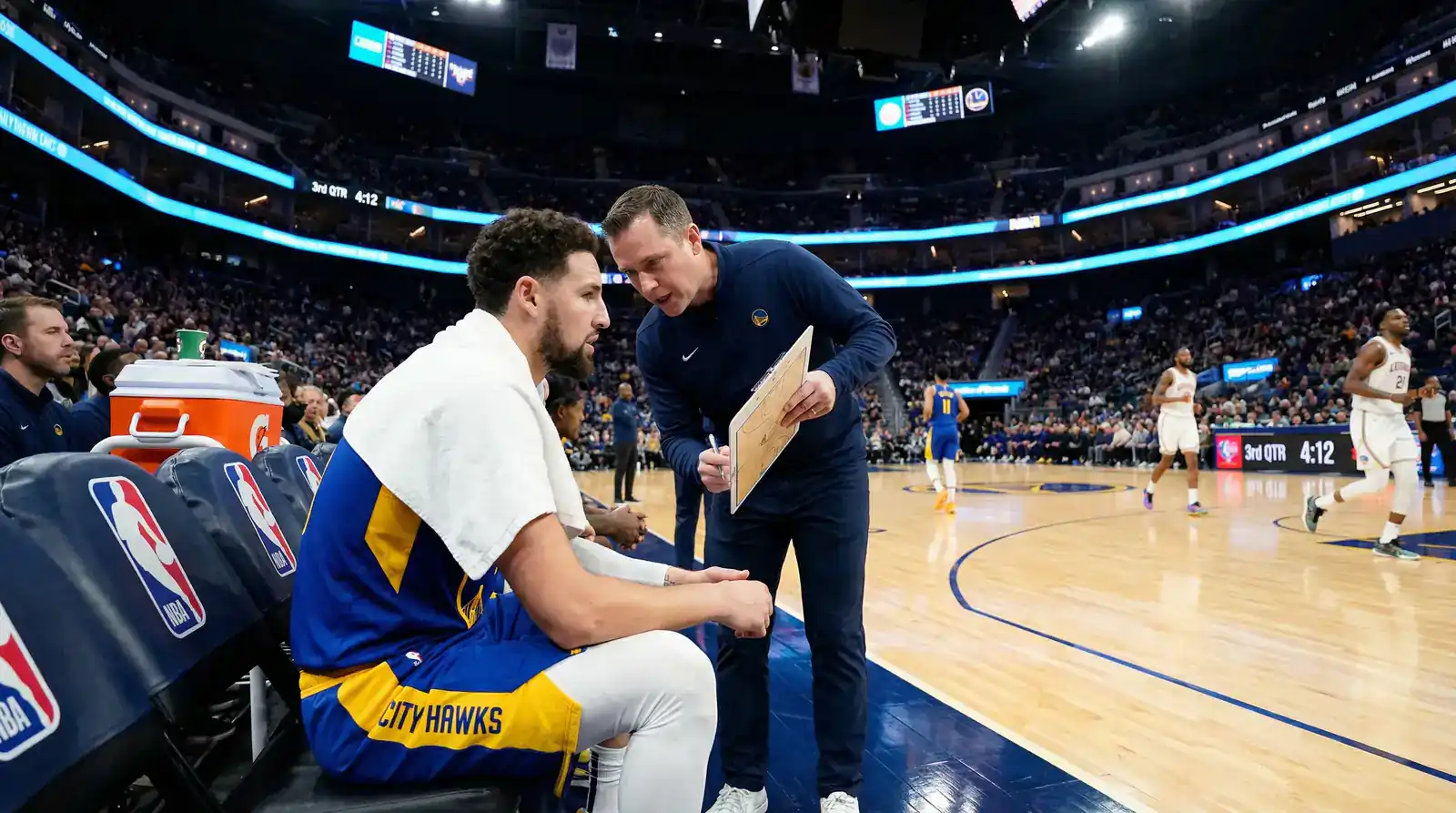
Timeouts create shorter but sometimes more lucrative windows. A coach calls timeout specifically to disrupt the opponent’s momentum or draw up a play. The market reacts to the timeout call but cannot anticipate what happens after. When a trailing coach calls timeout during an opponent’s run, books might tighten the spread slightly – but they don’t fully account for the strategic adjustment coming. If that coach is known for strong timeout schemes (think Erik Spoelstra or Steve Kerr), the post-timeout possession often shifts momentum in ways the line didn’t anticipate.
Halftime is its own animal. The 15-minute break gives books time to fully reset their models, which means halftime lines are generally more efficient than mid-quarter lines. However, halftime presents opportunity when there’s information asymmetry – player injuries being evaluated, locker room reports filtering out, or simply games where the first-half score doesn’t reflect the actual play. A team might be down 8 points but have dominated every other statistical category, suggesting a second-half surge that the scoreboard-focused market hasn’t priced.
My practical approach: I never bet in the final 90 seconds before any break. Lines tighten as books protect themselves, and the frantic pace of end-of-quarter play creates volatility that’s hard to exploit. Instead, I wait for the break, assess how the market has adjusted, and look for overcorrections once play resumes.
Blowout Adjustments: When Garbage Time Creates Gold
A 22-point lead in the third quarter feels insurmountable when you’re watching. The market agrees, pricing the favourite at absurd spreads and pulling totals in directions that assume starters will rest. But here’s what I’ve learned from tracking hundreds of these situations: garbage time basketball follows its own logic, and that logic consistently creates value for patient bettors.
When a game becomes a blowout, two things happen almost simultaneously. First, the leading team’s starters get pulled or play with reduced intensity – they’re protecting themselves for future games. Second, the trailing team’s bench players desperately try to make an impression, often playing harder than starters would in similar situations. This dynamic compresses the final margin more often than casual observers expect.
The specific window I target is when the lead hits 20+ points with more than 8 minutes remaining in the fourth quarter. At this point, live spreads on the trailing team often offer 15-18 points, sometimes more. The actual margin of victory in these scenarios averages closer to 12-14 points once garbage time scoring is factored in. That gap represents consistent value.
Totals in blowouts present the opposite opportunity. Books pull totals down assuming both teams will run out the clock. But bench units often play faster, take more shots, and play less disciplined defence than starters would. The over in garbage time situations hits more than you’d expect, particularly when both teams are deep and have young players eager for court time.
I approach blowout betting with smaller stakes than my standard live bets – the variance is higher, and occasionally a team will completely empty their bench and the trailing squad simply gives up. But across a season, the mathematical edge is real enough to warrant consistent plays when the numbers align.
Executing Live Bets on UK Platforms
Placing a live bet sounds simple until you’re racing against a shifting line while your app buffers. I’ve lost count of how many theoretically profitable bets I’ve missed because of execution failures – delays that turned a +3.5 into a +2.5, or worse, a “line no longer available” message right as I confirmed my stake.
UK sportsbooks vary enormously in their live betting infrastructure. Some platforms update lines every few seconds with minimal latency; others lag noticeably behind the broadcast, which creates both opportunity and frustration. The platforms that process bets fastest aren’t always the ones with the best odds, forcing a trade-off between execution speed and line quality.
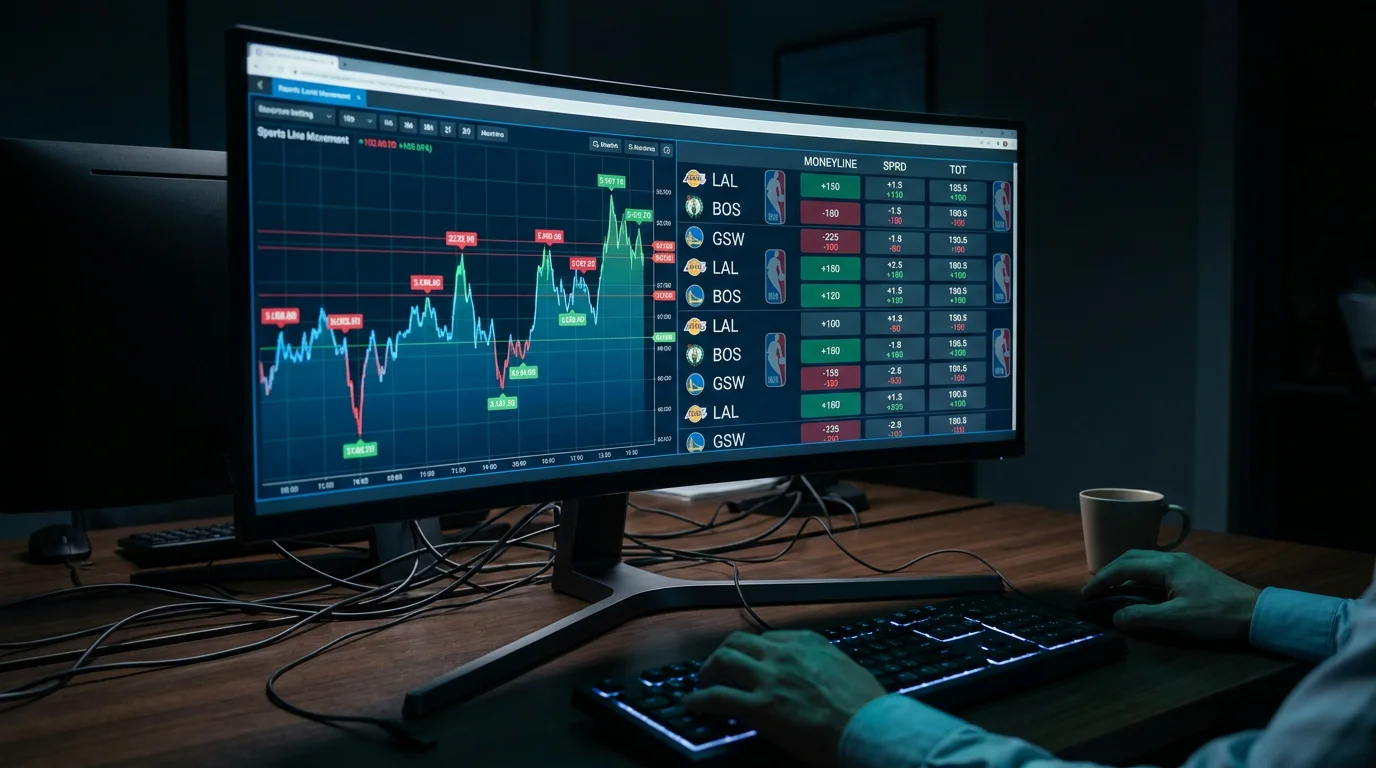
My workflow for live NBA betting involves having multiple apps open simultaneously. I watch the game on one screen while tracking lines across platforms on another. When I identify a timing window, I already know which platform has the best current price and can execute within seconds. This multi-platform approach sounds excessive until you realise that a half-point difference on a spread bet translates to a 3-4% swing in expected value over time.
Latency becomes particularly important for UK bettors because we’re typically watching NBA games via streaming services that run 30-60 seconds behind real-time. Some books adjust lines based on actual game time rather than broadcast time, meaning you might think a run is happening live when the market has already reacted. I’ve mitigated this by following live play-by-play trackers alongside my stream – it’s not as enjoyable, but it keeps me synchronised with the market.
One technical note: ensure your mobile connection is stable before attempting live bets. A WiFi dropout at the wrong moment has cost me more than one well-timed wager. Many experienced live bettors I know use mobile data exclusively for bet placement, even when WiFi is available, because the connection is more consistent during high-traffic broadcast moments.
Your Live Betting Edge Starts With Timing
Live NBA betting rewards patience and punishes impulse. The bettors who consistently profit from in-play markets aren’t necessarily better at predicting basketball outcomes – they’re better at identifying when the market has mispriced those outcomes based on recency bias, momentum overreaction, or structural breaks like timeouts and quarter endings.
The timing windows I’ve outlined aren’t secrets, but they do require discipline to exploit. You’ll watch plenty of games where the optimal window never materialises, and you’ll need to resist the urge to force bets just because you’re watching. Some of my most profitable live betting sessions involved placing zero wagers because the market never offered sufficient value.
Start by tracking momentum swings and timeout adjustments without betting. Build a sense for how your preferred platforms adjust lines in real-time. Once you recognise the patterns, you’ll see timing opportunities everywhere – and you’ll have the execution framework to capitalise on them. For a broader strategic foundation, the complete basketball betting strategy guide covers the pre-game analysis that complements these live betting tactics.
When is the best time to place a live NBA bet?
The most valuable windows typically open after momentum swings of 7-10 points, during commercial breaks following quarter endings, and when blowouts reach 20+ points with significant time remaining. Avoid betting in the final 90 seconds before any scheduled break, as lines tighten and volatility increases unpredictably.
How quickly do live odds change during NBA games?
Live NBA odds can shift every possession – sometimes within seconds of a basket, foul, or timeout call. UK sportsbooks vary in their update speed, with some lagging 10-30 seconds behind real-time action. This latency creates both challenges and opportunities depending on your information speed.
Which UK apps are best for live NBA betting?
Performance varies by platform, but the key factors are line update speed, bet processing time, and odds quality. Rather than relying on a single app, experienced live bettors monitor multiple platforms simultaneously to find the best available price when timing windows emerge.
Written by the editors at Best Basketball Betting Strategy.