Fourth Quarter Basketball Betting: End-Game Dynamics for Profit
 Available in US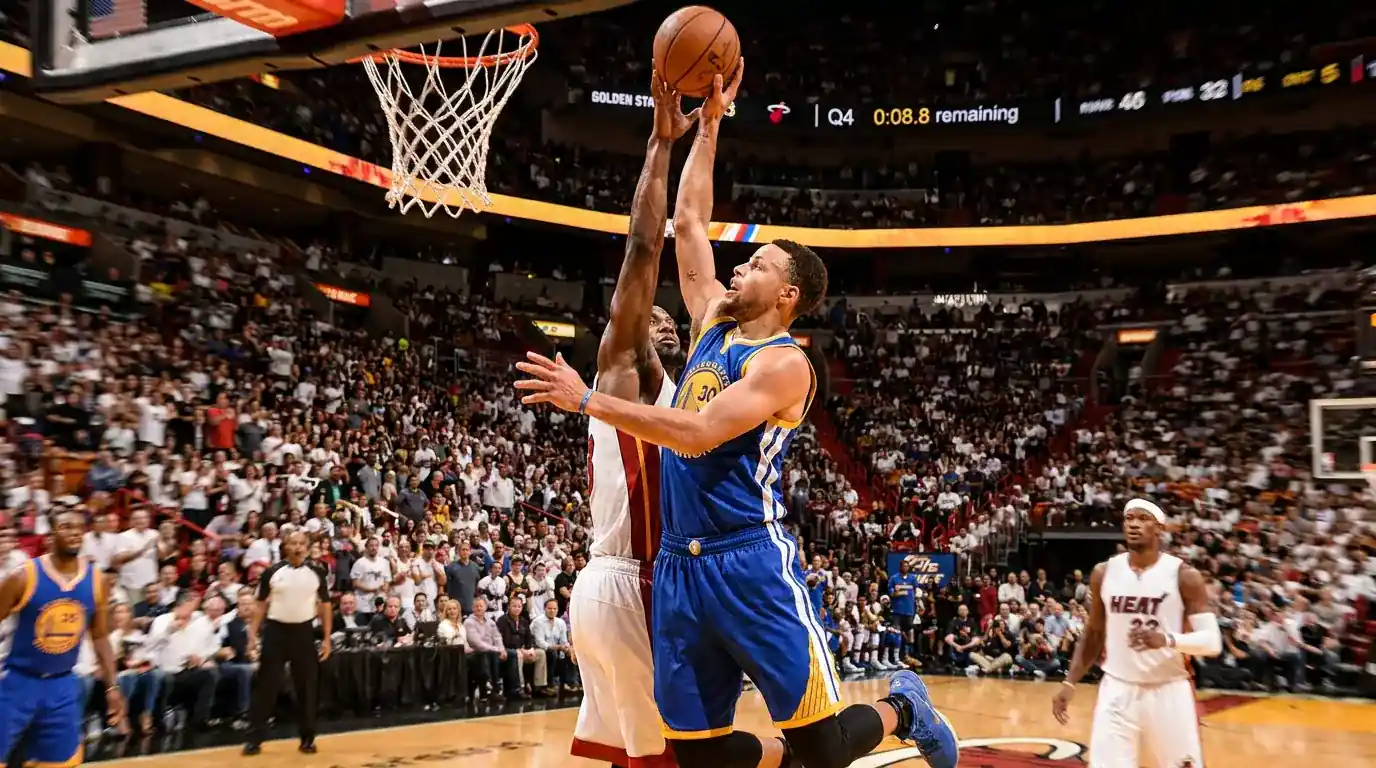
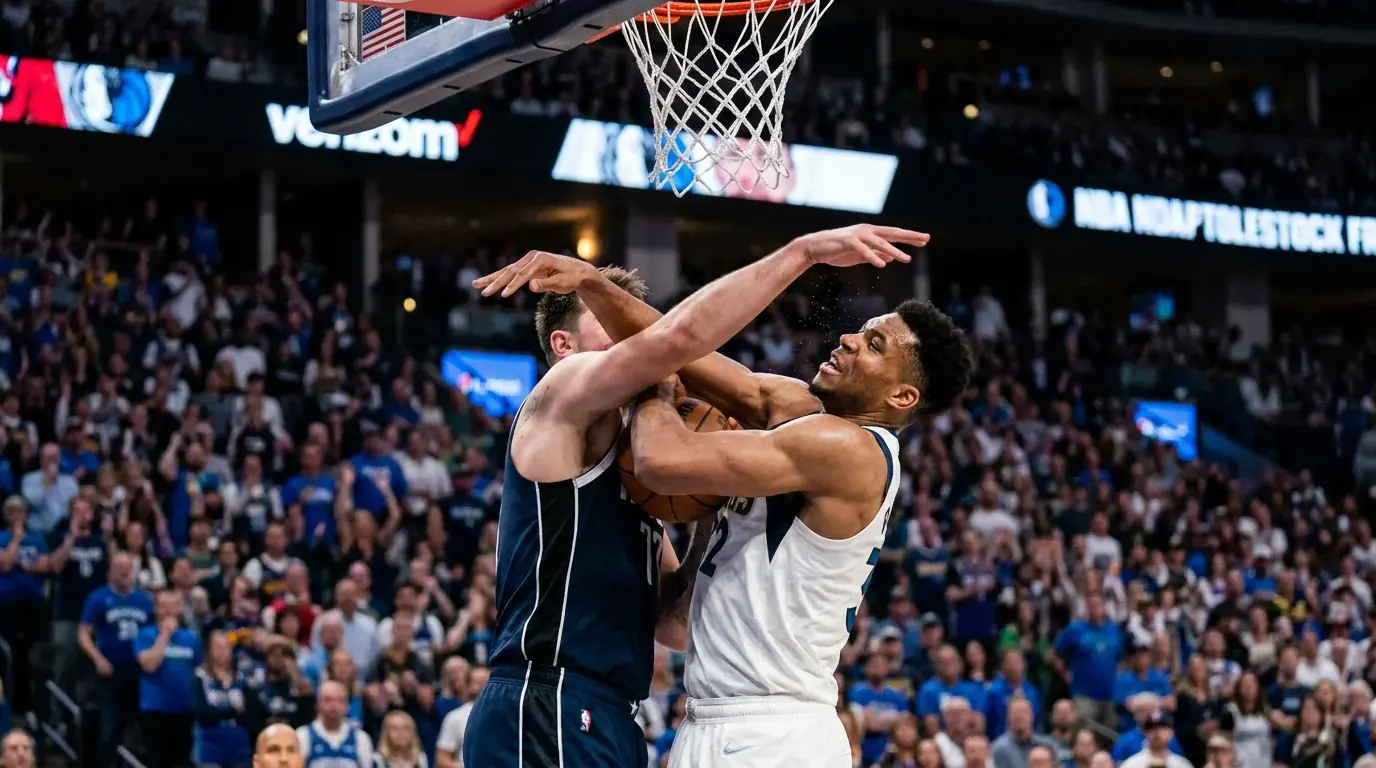
The game was tied entering the fourth quarter. Over the next twelve minutes, I watched both teams combine for 68 points – free throws from intentional fouls, desperate three-pointers, and transition baskets off turnovers created by aggressive defence. The fourth quarter total had been set at 54.5. It cleared that number by the midpoint of the period. Fourth quarters in close games play by different rules than any other period of basketball.
Fourth quarter betting represents the most variable of all quarter markets. The dynamics shift dramatically based on score margin: close games produce intense, high-stakes basketball with deliberate pace and clutch execution; blowouts produce garbage time with bench players and indifferent effort. These scenarios require completely different analytical frameworks, yet the market often prices fourth quarter lines without fully differentiating between them.
End-game situations introduce mechanical factors absent from earlier quarters. Intentional fouling to stop the clock can add 10+ points to fourth quarter totals in close games. Teams protecting leads run clock rather than seeking quality shots. Desperation three-point shooting creates scoring variance that earlier quarters don’t match. Understanding these mechanics is essential for fourth quarter betting.
This guide examines what makes fourth quarters unique, how to distinguish clutch time from garbage time betting, and where opportunities emerge in these end-game markets.
Fourth Quarter Dynamics Unlike Any Other Period
The fourth quarter concentrates every pressure and strategic element of basketball into twelve minutes. Stars play their heaviest minutes if the game matters. Coaches empty their strategic arsenals. Every possession carries stakes that earlier quarters lack. This intensity produces basketball that looks and scores differently than the first 36 minutes.
Pace in fourth quarters depends entirely on game situation. Close games typically see pace slow as both teams prioritise possessions – the trailing team can’t afford turnovers, and the leading team wants to consume clock. Blowouts see pace accelerate as both teams push tempo without strategic concern. Predicting fourth quarter pace requires assessing likely game situation rather than extrapolating from earlier quarters.
Fatigue peaks in the fourth quarter. Players have logged 30+ minutes, legs are heavy, and mental sharpness declines. This fatigue manifests in lower shooting percentages on contested shots, slower defensive rotations, and increased turnovers. Fourth quarter efficiency typically drops below earlier quarter efficiency, particularly for teams without rotation depth to manage minutes.
Free throw volume explodes in close fourth quarters. Intentional fouling is a deliberate strategy for trailing teams trying to extend games, and leading teams often attack the basket seeking whistles rather than contested shots. A fourth quarter that features five minutes of foul-and-shoot sequences can produce 25+ free throw attempts – points that wouldn’t exist in quarters without end-game fouling.
These dynamics make fourth quarter betting fundamentally different from other quarter markets. The variance is higher, the scoring mechanisms differ, and the relationship between team quality and fourth quarter performance doesn’t match earlier quarters. Treating fourth quarter lines like scaled versions of full-game lines misses these crucial distinctions.
Clutch Versus Garbage Time: Two Different Games
A five-point game entering the fourth quarter produces entirely different basketball than a 25-point game. The players on the court differ, the intensity differs, the scoring patterns differ. Yet fourth quarter lines sometimes don’t adequately separate these scenarios, creating opportunity for bettors who can correctly anticipate which type of fourth quarter is likely to unfold.
Clutch time fourth quarters – games within single digits entering the period – feature starters playing near-full fourth quarter minutes. Coaching becomes more hands-on, with timeout usage and play-calling designed for specific situations. The best players get the ball in crucial moments, and game outcomes often hinge on individual performances from closers. These quarters reward analysis of which teams have elite end-game execution and which teams fold under pressure.
Garbage time fourth quarters feature reserve players getting extended run. The competitive element disappears, replaced by player development minutes and injury prevention for starters. Scoring becomes less predictable because the players involved have smaller sample sizes and less defined roles. A bench unit might combine for 35 points or 15 points depending on factors that have little to do with team quality.
The betting implications are stark. Fourth quarter spreads in competitive scenarios often reflect which team has better end-game execution – the clutch performers, the free throw shooters, the timeout play designers. Fourth quarter spreads in blowout scenarios reflect which bench is more capable, which has little correlation with full-game spread pricing.
I evaluate entering fourth quarter margins to determine which analytical framework applies. Games within 10 points get clutch analysis; games outside 15 points get garbage time analysis; games between 10-15 points get probability-weighted consideration of both scenarios. This differentiation has significantly improved my fourth quarter betting accuracy compared to treating all fourth quarters identically.
How Intentional Fouls Distort Fourth Quarter Totals
No other quarter features the deliberate foul-to-extend-the-game strategy that dominates close fourth quarters. When a trailing team begins intentionally fouling with two or three minutes remaining, the scoring dynamic shifts entirely. Each possession becomes a free throw opportunity rather than a field goal attempt, and the resulting points per possession spike above normal offensive efficiency levels.
A typical close game’s final two minutes might feature 8-12 intentional fouls, translating to 15-20 free throw attempts beyond what normal game flow would produce. If both teams shoot 75% from the line, that’s 12-16 extra points in the final minutes alone. Fourth quarter totals set without accounting for this foul-shooting sequence systematically underestimate close game scoring.
The skill component of foul-shooting sequences matters for fourth quarter totals. Teams with strong free throw shooters benefit from intentional fouling strategies more than poor-shooting teams. When I project a close fourth quarter, I weight both teams’ free throw percentages heavily because those rates directly translate to fourth quarter scoring once fouling begins.
Blowouts eliminate this dynamic entirely. When one team leads by 20 entering the fourth, no intentional fouling sequence occurs. Fourth quarters in these scenarios actually tend toward lower scoring than earlier quarters because neither team pushes pace or executes with full intensity. The same total that might easily clear in a close game might easily miss in a blowout, despite involving the same teams.
My fourth quarter totals analysis starts with projected margin entering the fourth. Close margins trigger adjustments upward for foul-shooting points; large margins trigger adjustments downward for garbage time scoring suppression. This situational adjustment has been the single biggest improvement to my fourth quarter totals accuracy.
Fourth Quarter Totals Patterns and Opportunities
Fourth quarter totals exhibit the highest variance of any quarter market. The range of possible outcomes – from 35-point slugfests with intentional fouling to 40-point garbage time quarters to 50+ combined in close games – exceeds other quarters where scoring distributions cluster more tightly around expected values. This variance creates both risk and opportunity.
The market tends to price fourth quarter totals based on full-game pace and efficiency, then adjust slightly downward for fatigue effects. This approach misses the bimodal distribution of fourth quarter outcomes. Close games push totals up through foul shooting and desperate scoring; blowouts push totals down through disengaged play. The average fourth quarter total obscures these divergent scenarios.
I’ve found opportunity in projecting entering-fourth-quarter margins and betting accordingly. When I expect a game to be close entering the fourth, I look for fourth quarter overs that don’t adequately price the foul-shooting sequence. When I expect a blowout, I look for fourth quarter unders that assume normal scoring when garbage time suppression is likely.
Team-specific fourth quarter patterns exist beyond situational factors. Some teams consistently outperform fourth quarter totals regardless of game situation; others consistently underperform. These tendencies often relate to coaching philosophy – aggressive fourth quarter approaches versus conservative game management – and persist across seasons. Tracking team-specific fourth quarter totals performance adds another layer to situational analysis.
The practical challenge is that fourth quarter lines often don’t post until after the third quarter is underway, when the entering-fourth-quarter margin is partially visible. This compressed decision window requires preparation – knowing in advance how you’d bet various scenarios – rather than live analysis. Pre-game identification of likely fourth quarter betting opportunities allows faster execution when lines become available.
Approaching Fourth Quarter Markets Systematically
Fourth quarter betting demands more preparation than other quarter markets because the decision window is narrow and the variables are many. My approach involves pre-game analysis of likely fourth quarter scenarios followed by rapid execution once lines appear. Trying to analyse fourth quarter opportunities from scratch during the third quarter results in missed lines and rushed decisions.
I pre-identify games where fourth quarter betting interests me based on expected competitiveness, team clutch tendencies, and free throw shooting quality. For each identified game, I outline my betting approach for different scenarios – what I’d bet if the game is within 5 points entering the fourth, within 10, or a blowout. This conditional planning allows quick action when third quarter results clarify the situation.
The variance inherent in fourth quarter betting suggests smaller stakes than full-game betting. Even well-reasoned fourth quarter bets carry significant outcome uncertainty due to the factors outside normal game flow – late-game execution, foul shooting variance, and garbage time randomness. I typically stake fourth quarter bets at 50-75% of my standard unit size to account for this elevated variance.
Fourth quarter betting fits naturally with the live betting timing strategies that cover in-game wagering more broadly. The principles overlap, but fourth quarter markets have enough unique characteristics to warrant dedicated analysis.
How do intentional fouls affect fourth quarter totals?
Intentional fouling in close games can add 15-20 free throw attempts beyond normal game flow in the final two to three minutes. This foul-shooting sequence typically produces 12-16 extra points that would not exist in earlier quarters, making fourth quarter totals in competitive games systematically higher than other quarter totals. Blowouts eliminate this dynamic entirely.
Which teams perform best in clutch time?
Teams with elite end-game closers, strong free throw shooting, and coaches known for effective timeout play designs typically perform best in close fourth quarters. Clutch performance does not always correlate with overall team quality – some excellent regular season teams fold under fourth quarter pressure while some mediocre teams consistently execute in close games.
Are fourth quarter bets more volatile than other quarters?
Yes, fourth quarter bets carry the highest variance of any quarter market. The bimodal nature of fourth quarters – intense clutch play in close games versus disengaged garbage time in blowouts – creates wider outcome distributions than other quarters. Scoring mechanisms like intentional fouling add further variability that earlier quarters lack.
Prepared by the Best Basketball Betting Strategy editorial staff.